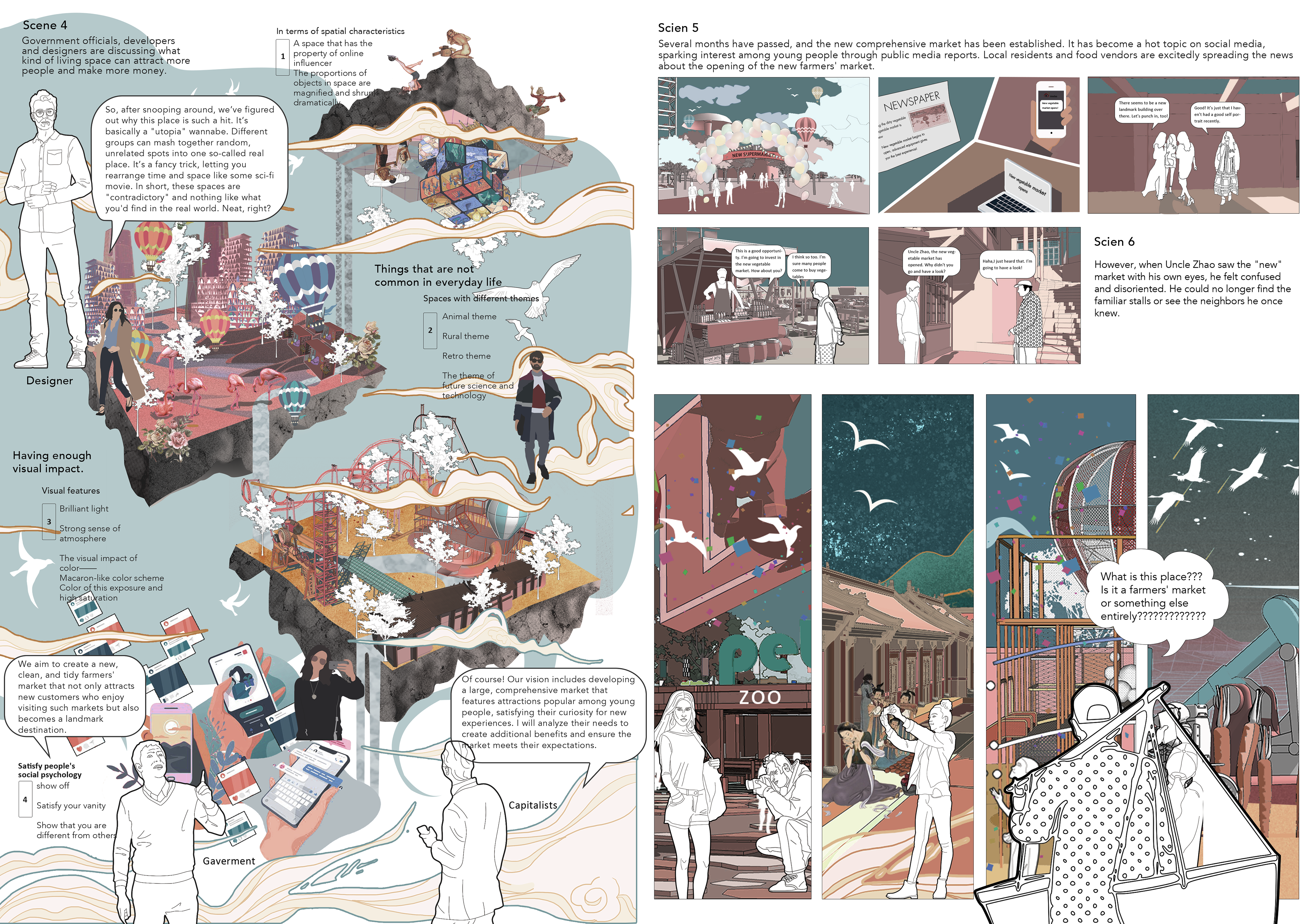
With world development, the term "Media Influencer" has become ubiquitous. In this era of the "Online Influencer Economy," adding "Media Influencer" to any venue—be it a restaurant, milk tea shop, or amusement park—seems to guarantee instant attention and success. As industries strive to capitalize on this trend, we see a surge in visits to trendy, influencer-endorsed locations.
For young people, this trend satisfies their craving for novelty. For capital developers, it offers a quick profit. For cities and their managers, it boosts the local economy and enhances city features. However, the rise of these "Influencer Spaces" often comes at the expense of "old buildings." Politicians see these old structures as a thorn in their side, businessmen view them as opportunities for capital reuse, and some social classes largely ignore them. Yet, for the local residents, these spaces hold significant meaning and practical value, impacting their daily lives in terms of food, clothing, shelter, and transportation.
The rise of the "Influencer Effect" undoubtedly spurs urban economic development. However, the rapid and often irrational growth driven by this trend can leave behind chaos and disruption. This prompts us to consider what truly constitutes healthy urban development.
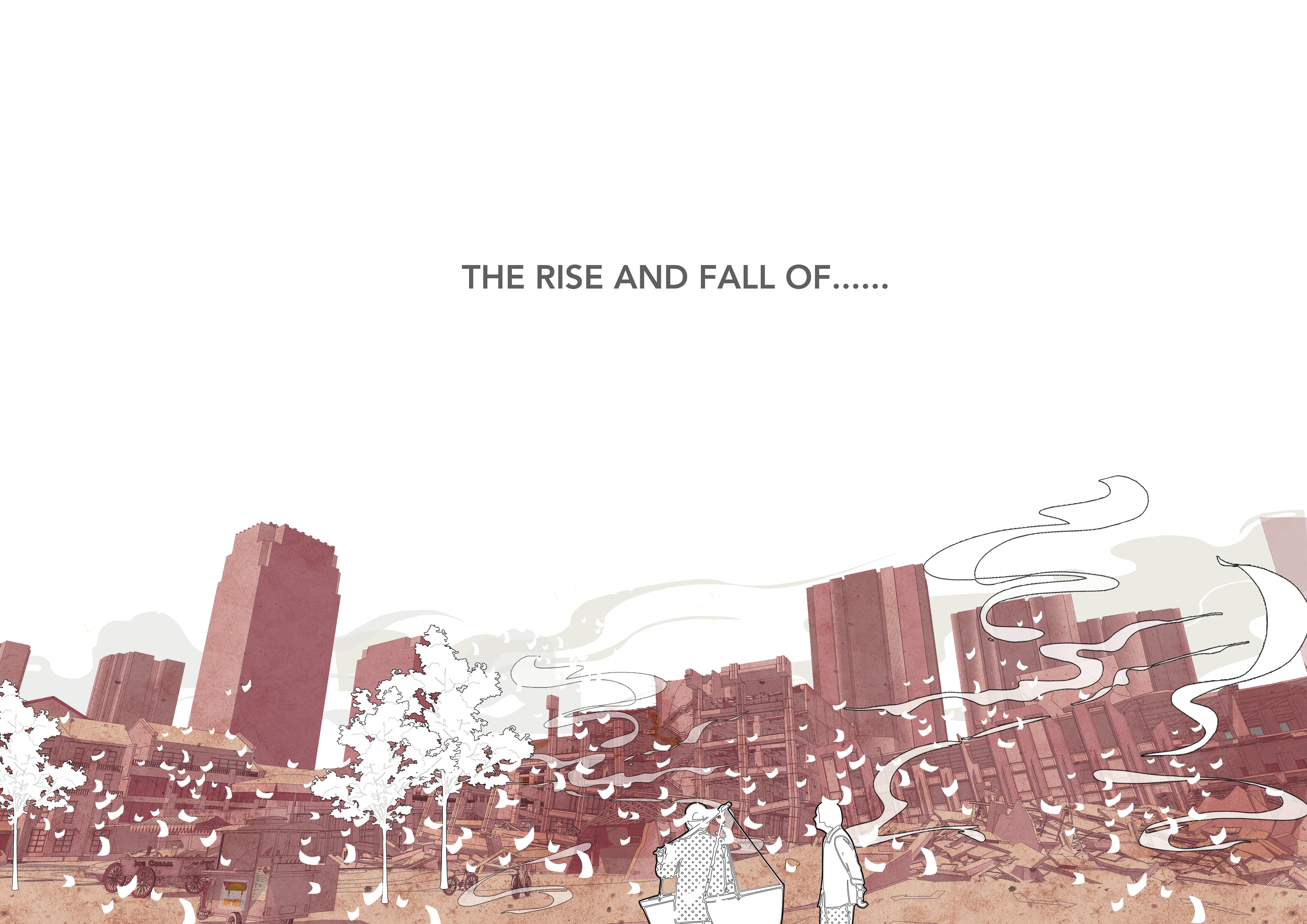
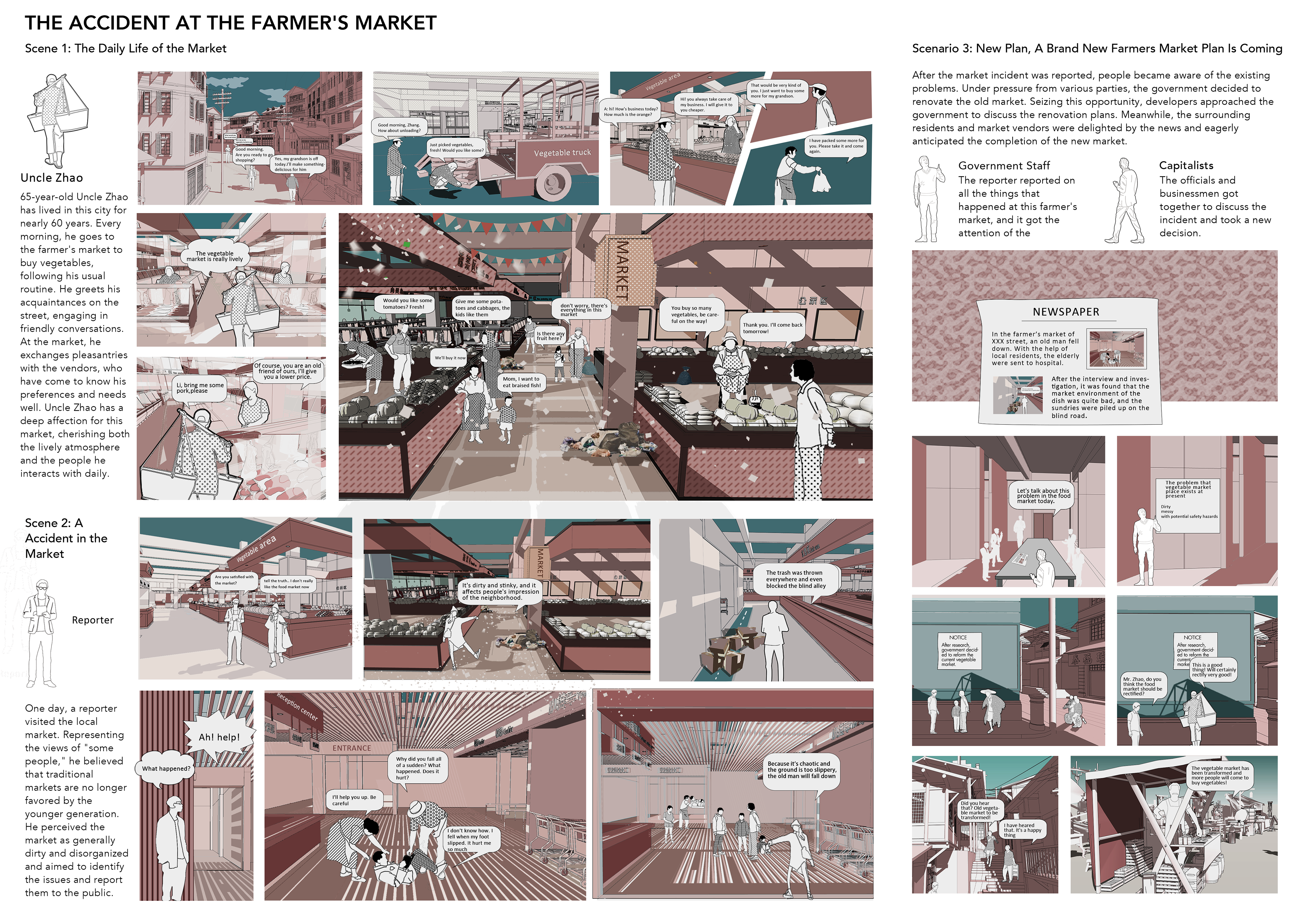
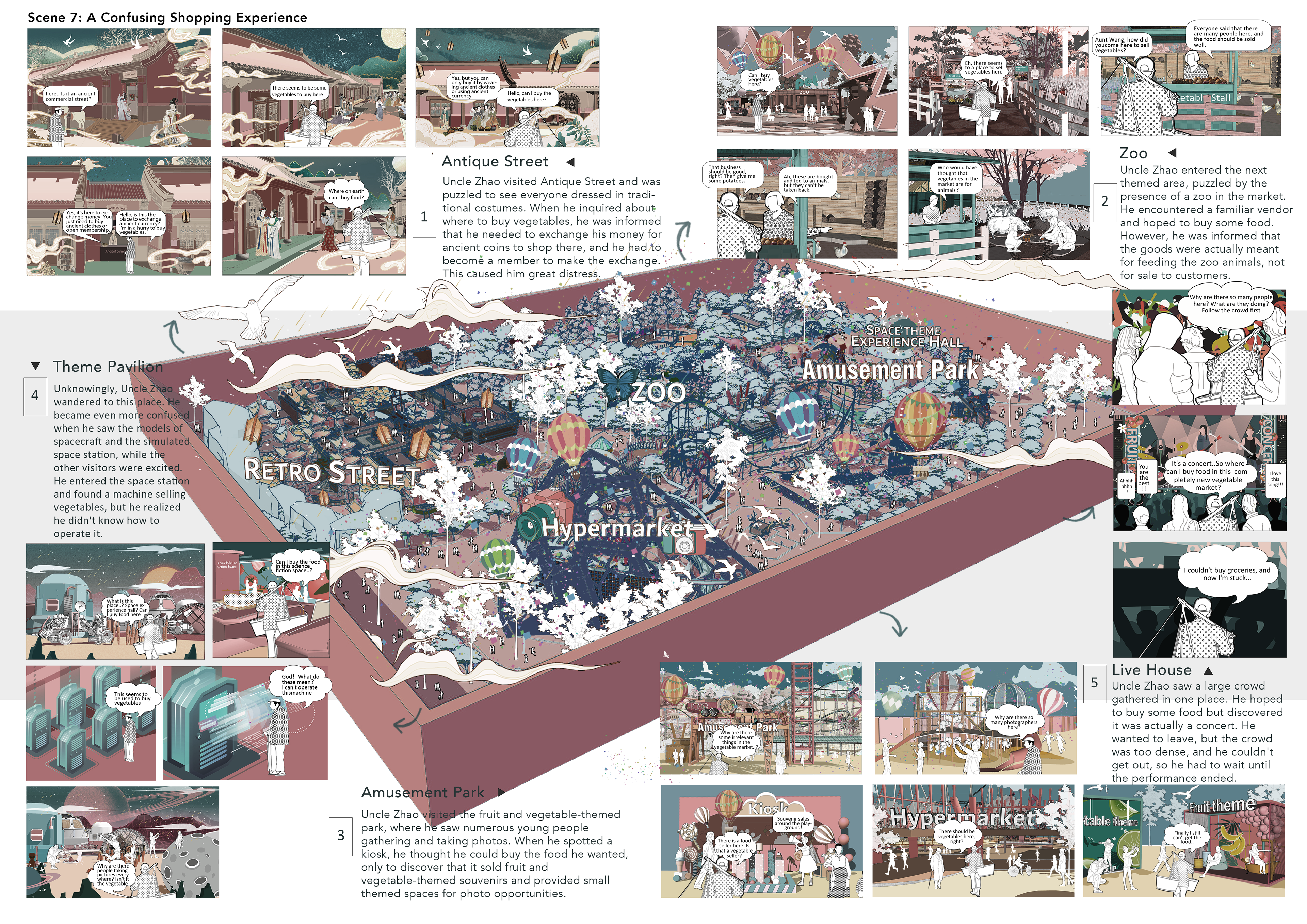
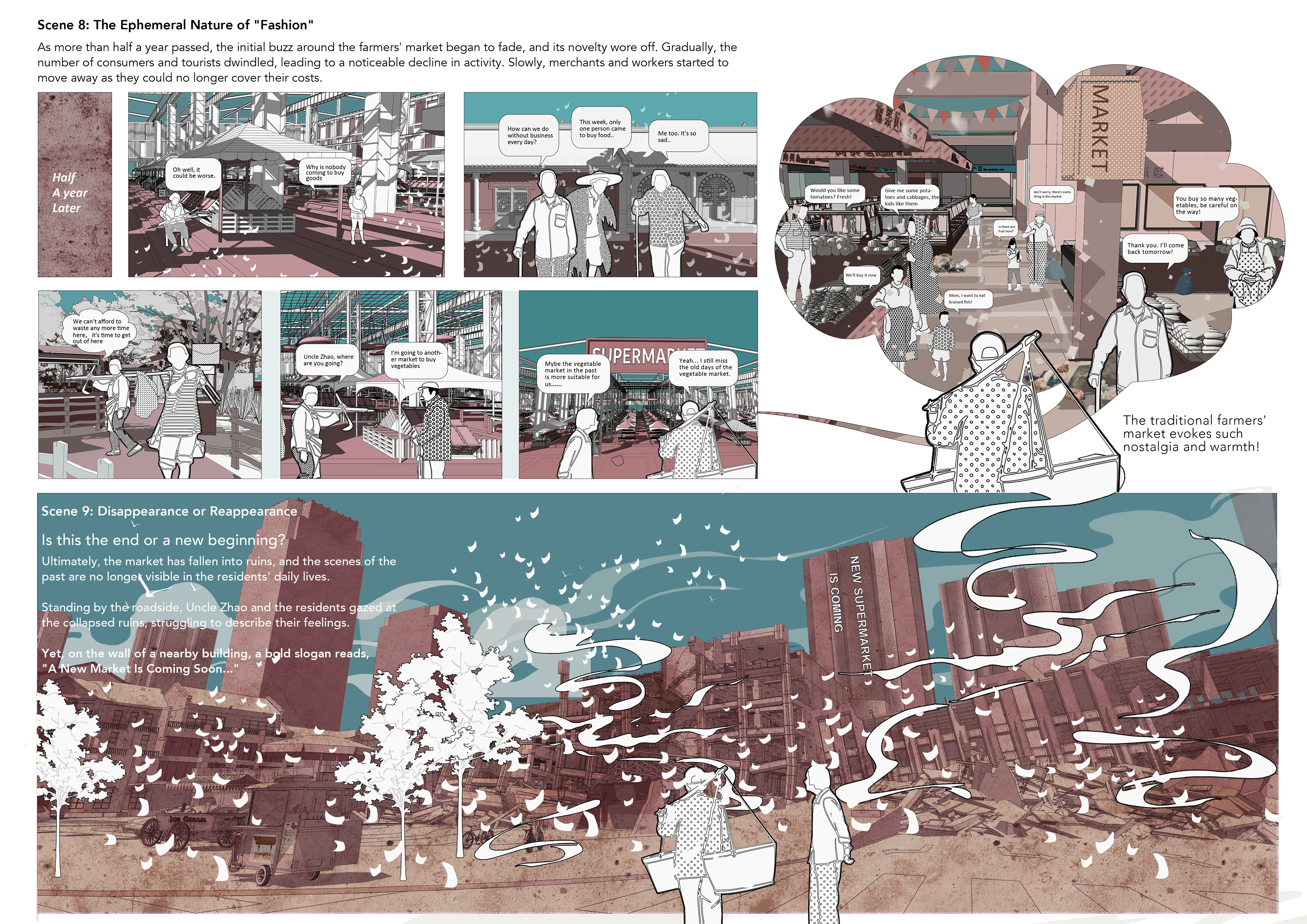
In this project, I use narrative expression to depict the fate of a farmer's market from the perspective of an elderly person. Through this story, I aim to reflect on the societal obsession with "Influencer Cities" and "Influencer Spaces" in modern society.
TYPE:
Reflection on Social Phenomena
Project Year:
2020
Reflection on Social Phenomena
Project Year:
2020
REFLECTION
The influencer effect is becoming increasingly popular, with young people frequently visiting trendy spots and restaurants for the perfect social media post. While the rise of these 'Instagrammable' moments boosts urban economies, it's essential to reflect on the true direction of a city's development beyond temporary trends.
The widespread use of social media amplifies the influencer effect. Platforms like Instagram, TikTok, and Twitter facilitate the sharing of photos and videos, turning the act of sharing into a powerful promotional tool. These posts create a chain of display and gradually expand their reach. Consequently, businesses and governments seek influencers to build this promotional chain, attracting significant traffic and revenue.
The term "influencer" itself is neutral, but common traits of popular influencers include appearance, curiosity, and scarcity marketing. Consumers are highly responsive to trends; when celebrities wear certain styles, these quickly appear online and become ubiquitous in public. This trend-following behavior extends to restaurants, hotels, and entertainment venues, and even non-entertainment locations. However, once unique products become mainstream, they struggle to meet personalized consumer demands and sustain their popularity, revealing the inherent time-sensitivity of trends. While there's nothing inherently wrong with influencer-driven trends, they can become excessive and distorted, with people often prioritizing superficial over meaningful experiences. Therefore, it's crucial to consider what people genuinely need and what holds true significance.
4o